

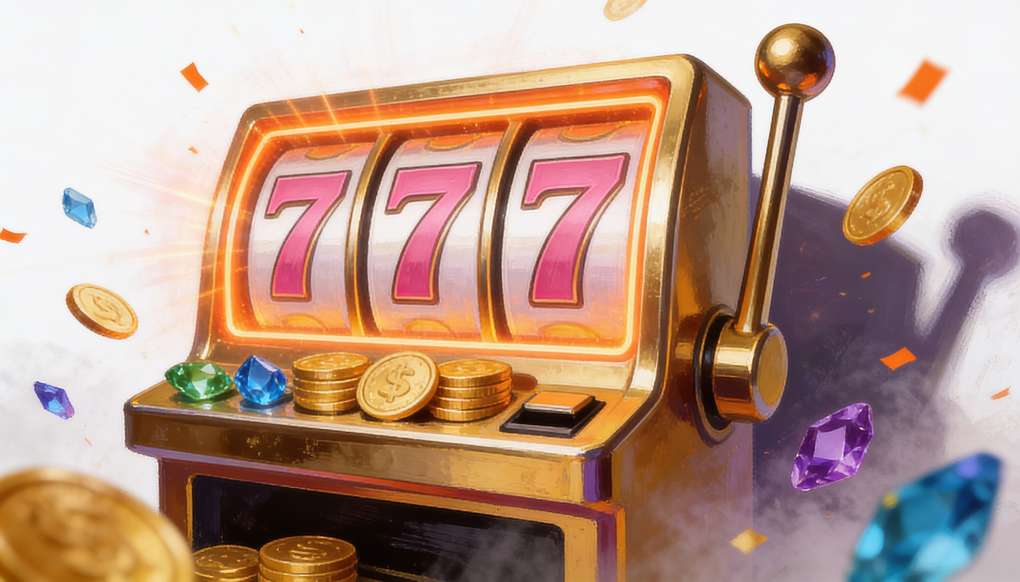
Casino game design is a complex and multidisciplinary field that incorporates psychology, game theory, and marketing to create engaging and addictive games. The primary goal of casino game design is to keep players entertained and invested in the game for as long as possible, thereby increasing revenue for the casino. To achieve this, game designers employ various psychological principles and techniques. For more information on casino games and their design, you can visit related info to learn about the latest trends and developments in the industry.

Casino games are designed to be enjoyable and entertaining, but they are also intended to be profitable for the casino. To balance these two goals, game designers must carefully consider the psychological factors that influence player behavior. This includes understanding the psychology of rewards and reinforcement, as well as the role of color, sound, and social interactions in shaping player behavior. By understanding these factors, game designers can create games that are both enjoyable and profitable.
Introduction to Casino Game Design
The field of casino game design is constantly evolving, with new technologies and techniques being developed all the time. One of the key challenges facing game designers is creating games that are appealing to a wide range of players, from beginners to experienced gamblers. To achieve this, game designers must consider a variety of factors, including the game’s theme, graphics, and sound effects. They must also ensure that the game is fair and random, and that players have a reasonable chance of winning.
Some of the most popular casino games include slots, blackjack, and roulette. These games are often designed with a specific theme or style in mind, such as ancient Egypt or a futuristic city. The theme and design of the game can have a significant impact on player behavior, with some players being more attracted to certain themes or styles than others. For example, slots games with a progressive jackpot can be very appealing to players who are looking for a big win.
The Psychology of Rewards and Reinforcement
Rewards and reinforcement play a significant role in shaping human behavior, and are a key component of casino game design. There are several different types of rewards and reinforcement that can be used in casino games, including variable rewards, fixed rewards, social rewards, and skill-based rewards. Each of these types of rewards has a different effect on player behavior, and game designers must carefully consider which type of reward to use in their game.
For example, variable rewards can create a sense of excitement and anticipation, as players are never sure when they will receive a reward. This can be particularly effective in slots games, where players can receive a bonus or free spin at any time. In contrast, fixed rewards can create a sense of security and reliability, as players know exactly when and how they will receive a reward.
Types of Rewards and Reinforcement
| Variable Rewards | Rewards that are unpredictable and random | Creates a sense of excitement and anticipation |
| Fixed Rewards | Rewards that are predictable and consistent | Creates a sense of security and reliability |
| Social Rewards | Rewards that are based on social interactions | Creates a sense of community and social bonding |
| Skill-Based Rewards | Rewards that are based on a player’s skill and performance | Creates a sense of accomplishment and pride |
By understanding the different types of rewards and reinforcement, game designers can create games that are more engaging and addictive. This can include using a combination of different reward types, such as variable and fixed rewards, to create a sense of excitement and anticipation.
The Role of Color and Sound in Casino Game Design
Color and sound are two important elements of casino game design, and can have a significant impact on player behavior. Different colors and sounds can create different emotions and moods, and game designers must carefully consider which colors and sounds to use in their game. For example, red can create a sense of excitement and urgency, while green can create a sense of calmness and relaxation.
The use of color and sound in casino game design is not just limited to the game itself, but can also extend to the casino environment as a whole. For example, the lighting and sound effects in a casino can create a lively and energetic atmosphere, which can help to attract and retain players. By carefully considering the role of color and sound in casino game design, game designers can create games that are more engaging and immersive.
The Psychology of Color
| Red | Creates a sense of excitement and urgency |
| Green | Creates a sense of calmness and relaxation |
| Blue | Creates a sense of trust and loyalty |
| Yellow | Creates a sense of happiness and optimism |
By understanding the psychology of color, game designers can create games that are more visually appealing and engaging. This can include using a combination of different colors to create a sense of excitement and anticipation, or using a single color to create a sense of calmness and relaxation.
The Impact of Social Interactions on Casino Game Design
Social interactions play a significant role in shaping human behavior, and can have a major impact on casino game design. Social interactions can include leaderboards, chat and messaging, and reward sharing, and can create a sense of community and social bonding among players. By incorporating social interactions into their game, game designers can create games that are more engaging and addictive.
For example, leaderboards can create a sense of competition and rivalry among players, while chat and messaging can create a sense of community and social bonding. By using social interactions in this way, game designers can create games that are more enjoyable and rewarding for players.
The Psychology of Social Interactions
| Leaderboards | Creates a sense of competition and rivalry |
| Chat and Messaging | Creates a sense of community and social bonding |
| Reward Sharing | Creates a sense of generosity and altruism |
By understanding the psychology of social interactions, game designers can create games that are more socially engaging and addictive. This can include using a combination of different social interactions to create a sense of community and social bonding, or using a single social interaction to create a sense of competition and rivalry.
FAQ
Q: What is the primary goal of casino game design?
A: The primary goal of casino game design is to keep players entertained and invested in the game for as long as possible, thereby increasing revenue for the casino.
Q: What is the role of rewards and reinforcement in casino game design?
A: Rewards and reinforcement play a significant role in shaping human behavior, and can be used to motivate players to continue playing.
Q: How do colors and sounds influence player behavior in casino games?
A: Colors and sounds can be used to create a sense of mood and atmosphere, and can influence player behavior and create a sense of atmosphere.
Q: What is the impact of social interactions on casino game design?
A: Social interactions can be used to create a sense of community and social bonding, and can influence player behavior and create a sense of belonging and connection with others.